Technological Obsolescence

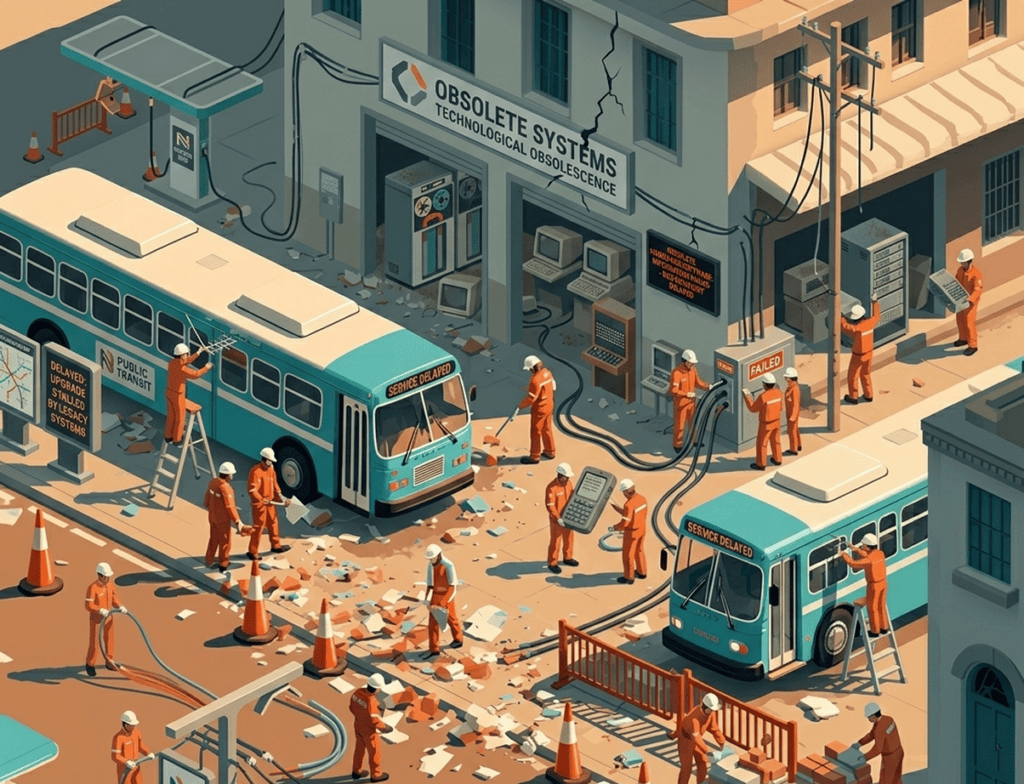
Technological obsolescence poses a cross-cutting risk to the E-Bus Ecosystem, as rapid advancements in battery technologies, charging standards, digital platforms, and fleet management systems can render existing assets outdated or incompatible. In disaster-prone and high-reliability operating contexts, dependence on obsolete hardware, software, or communication protocols can amplify system vulnerabilities, delay recovery, and limit integration with newer resilience-enhancing technologies undermining both operational continuity and financial sustainability.

Explore the expandable sections to see detailed preventive, responsive and recovery measures for the Technological Obsolescence hazard and for each component (Fleet, Depot, Charging Infrastructure & Operating Environment).


E Bus Ecosystem

Risk or Impact of Hazard​

Prevention Measures

Sudden breakdowns due to outdated BMS/software glitches

Adopt interoperable, standardized fleet software & hardware

Maintain tech upgrade roadmap & version audits

Inaccurate SoC readings resulting in range miscalculation

Procure buses with long-term vendor support (10+ years)

Loss of GPS/ITMS integration during rerouting

Introduce modular systems for easy upgrades

Response Action during hazard occurrence

SOPs for technological Obsolesce in fleet

  • Activate fail-safe/backup modes (manual overrides for SoC, GPS fallback)
  • Prioritize fit-for-service buses for emergency operations

Recovery and Restoration post hazard

  • Conduct root-cause analysis of failures
  • Deploy emergency OEM patches or interim updates
  • Retrofit/upgradation plan for affected buses

Response Action during hazard occurrence

ITS Team

Fleet Operator

OEM

Risk or Impact of Hazard​

Prevention Measures

Depot IT systems (maintenance software, scheduling tools) incompatible with new fleet technology

Use open-source/compatible depot management systems

Delays in fleet dispatch due to system mismatch

Regular upgrade checks on depot IT systems

Vendor agreements for continued support

Response Action during hazard occurrence

  • SOPs for Depot technological failure
  • Switch to manual depot scheduling if software fails
  • Keep backup records for fleet deployment

Recovery and Restoration post hazard

  • Upgrade depot IT systems post-disaster
  • Sync depot tools with fleet & charging software

Response Action during hazard occurrence

ITS Team

OEM

Risk or Impact of Hazard​

Prevention Measures

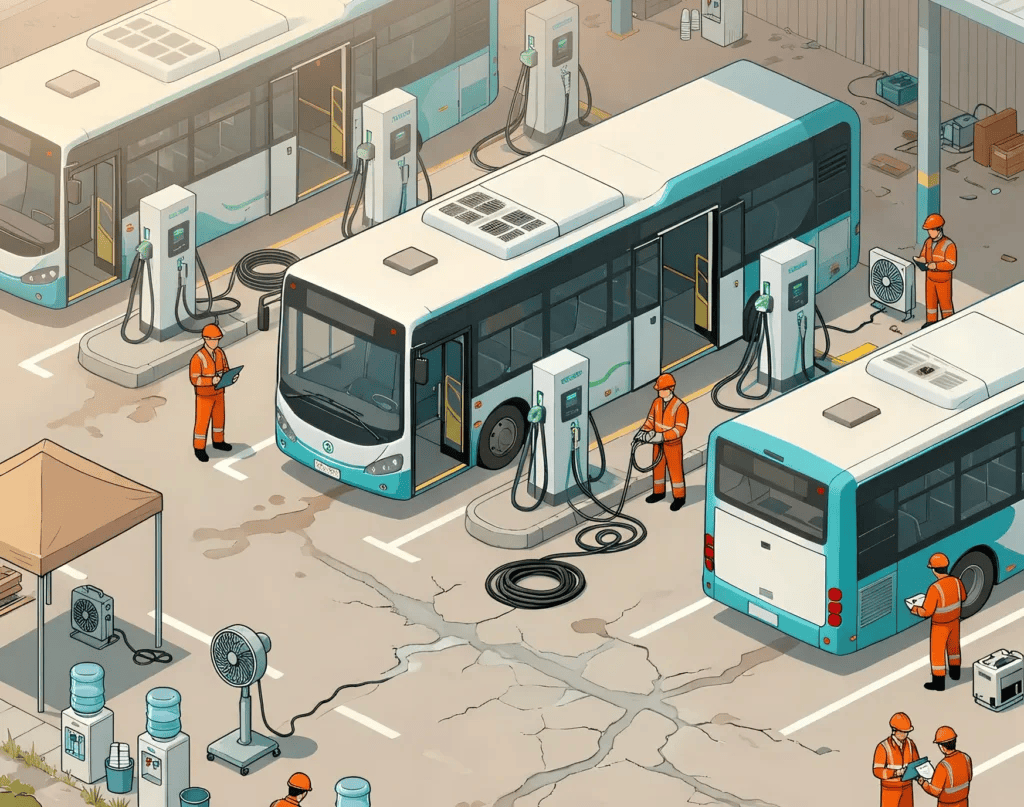
Charging protocol obsolescence results in chargers not compatible with new fleet

Enforce use of Open Charge Point Protocol (OCPP)-compliant chargers for interoperability

Delays in charging due to outdated firmware

Regular firmware upgrades

Maintain upgrade/service agreements with charging vendors

Response Action during hazard occurrence

  • Response Protocols for the Use mobile/emergency charging units with universal connectors
  • Response Protocols for activating manual charging controls if smart charging fails

Recovery and Restoration post hazard

  • Replace/upgrade outdated chargers
  • Update firmware & protocols for long-term compatibility

Response Action during hazard occurrence

Charging Operator

ITS Team

Risk or Impact of Hazard​

Prevention Measures

Real-time monitoring failure (GPS, data analytics, passenger info systems)

Integrate ITMS with open APIs for long-term compatibility

Software incompatibility with newer fleet data formats

Establish tech audit & upgrade protocols every 2–3 years

Maintain offline operating capability

Response Action during hazard occurrence

Response Protocols on

  • Prioritize essential service routes with available data
  • Switch to offline/manual control modes (radio communication, paper scheduling)

Recovery and Restoration post hazard

  • Restore ITMS functionality with software upgrades
  • Integrate system patches & conduct post-disaster testing

Response Action during hazard occurrence

ITS Team & Driver

Communication Team and Bus Operator

Download Report